
TL;DR summary:
- Texas homeowners face complex challenges in securing adequate property insurance due to exclusions for flood, wind, and hail damage. Proper documentation, proactive planning, and layered coverage are essential for full protection before storm season, especially in coastal and high-risk zones. Partnering with an experienced independent agency helps ensure comprehensive coverage, correct policy limits, and timely claims support.
Texas homeowners are paying more for property insurance than almost anywhere else in the country, and it is not just market forces at work. When you factor in hail storms, flash flooding, and the regulatory patchwork that governs what standard policies will and will not cover, knowing how to secure property insurance in Texas becomes a genuinely complicated task. This guide cuts through that complexity. You will learn exactly what coverage you need, what your standard policy likely misses, and the specific steps to lock in protection before storm season puts you at risk.
Table of Contents
- Understanding Texas property insurance requirements and risk coverage
- Preparing your property and documentation for insurance qualification
- Shopping for policies: selecting and balancing coverage amid rising premiums
- Maintaining coverage and claim readiness: best practices for Texas homeowners
- Why securing property insurance in Texas requires proactive, layered planning
- How Hettler Insurance Agency can help you secure comprehensive coverage
- Frequently asked questions
Key Takeaways
| Point | Details |
|---|---|
| Separate flood coverage required | Standard Texas homeowners insurance excludes flood damage, so separate flood insurance is essential. |
| Windstorm insurance necessity | Coastal Texas homeowners often need TWIA windstorm coverage as standard policies exclude wind and hail. |
| Verify risk & valuation | Confirm your property’s flood zone and insure your home based on replacement cost, not market value. |
| Shop coverage, not just price | Compare policies by coverage details and insurer quality, not only by premiums to avoid underinsurance. |
| Prepare and maintain property | Reinforce roofs and document inspections to reduce risks, premiums, and improve claim outcomes. |
Understanding Texas property insurance requirements and risk coverage
Most young homeowners assume their standard homeowners policy covers everything that can go wrong with their house. In Texas, that assumption is expensive. Two of the most destructive and common perils in the state, flooding and wind or hail damage, are frequently excluded from standard policies.
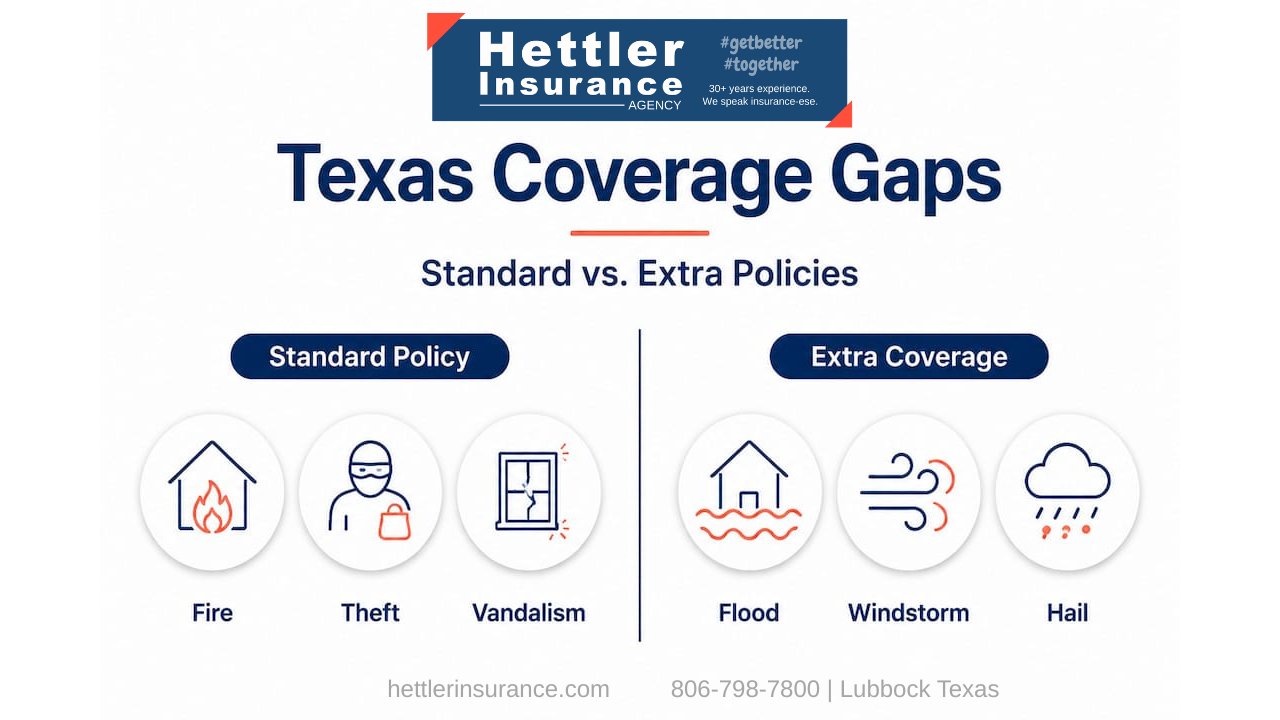
Standard homeowners policies exclude flood damage entirely. If your home takes on water from a storm surge, overflowing creek, or heavy rainfall event, your regular policy will not pay a cent. You must purchase separate flood insurance, either through the National Flood Insurance Program (NFIP) or a private flood insurer, to be covered for those losses.
Wind and hail coverage is a separate problem, especially along the Texas coast. Coastal homeowners often need separate windstorm coverage because standard policies in those designated catastrophe areas typically exclude wind and hail damage. The Texas Windstorm Insurance Association, known as TWIA, was created by the state specifically to fill that gap. It functions as an insurer of last resort for properties in the 14 coastal counties and parts of Harris County where private carriers have stepped back.
Here is what you need to know about how these coverages interact:
- Standard homeowners policy: Covers fire, theft, liability, and most non-weather structural damage. Does not cover flood. May not cover wind or hail in coastal zones.
- NFIP or private flood insurance: Required separately. Covers damage caused by rising water, storm surge, and overflow.
- TWIA windstorm policy: Covers wind and hail in designated coastal catastrophe areas. Only available after a private insurer has denied coverage.
- Private windstorm coverage: Available in some inland areas, including West Texas, where hail risk is high but TWIA eligibility does not apply.
Understanding these distinctions is not optional. If you live in Lubbock, your primary concern is hail. If you live in Corpus Christi or Galveston, you need to think about TWIA eligibility, building code compliance, and a flood policy on top of your base coverage.
Preparing your property and documentation for insurance qualification
Before you can shop for the right policies, you need to know exactly what your property faces and whether it qualifies for the coverage you need. This preparation step is one that most homeowners skip, and it costs them.
Follow these steps to get your documentation in order:
- Check your flood zone. Use the FEMA Flood Map Service Center to confirm whether your property sits in a high-risk, moderate-risk, or low-risk flood zone. Your zone designation directly affects your flood insurance premiums and whether your mortgage lender requires you to carry flood coverage.
- Gather building code compliance records. If you are in a TWIA-eligible area, your home must meet specific windstorm building code standards. Locate permits, inspection records, and any prior compliance documentation.
- Obtain a WPI-8 Certificate of Compliance. This is the official certificate proving your home meets TWIA’s structural requirements. TWIA eligibility requires inspections and certificates verifying code compliance, along with proof that a private insurer denied windstorm coverage first.
- Document prior insurance denials. If a private insurer has already rejected your application for windstorm coverage, keep that denial letter. It is required for TWIA enrollment.
- Get a replacement cost valuation. Do not rely on your home’s market value or tax-assessed value to determine your coverage limit. Replacement cost, meaning what it would actually cost to rebuild your home from the ground up at today’s labor and material prices, is often significantly higher. Insuring for replacement cost protects you from coming up short after a major loss.
Pro Tip: If you recently renovated your kitchen, added a room, or replaced your roof with impact-resistant materials, update your replacement cost valuation immediately. Renovations raise rebuild costs, and outdated valuations leave you underinsured.
| Documentation item | Purpose | Who requires it |
|---|---|---|
| FEMA flood zone confirmation | Sets flood premium and lender requirements | Lenders, flood insurers |
| WPI-8 Certificate of Compliance | Proves windstorm code compliance | TWIA |
| Private insurer denial letter | Demonstrates TWIA eligibility | TWIA |
| Replacement cost appraisal | Sets accurate dwelling coverage limit | All property insurers |
| Building permits and inspection records | Supports compliance documentation | TWIA, private insurers |
.
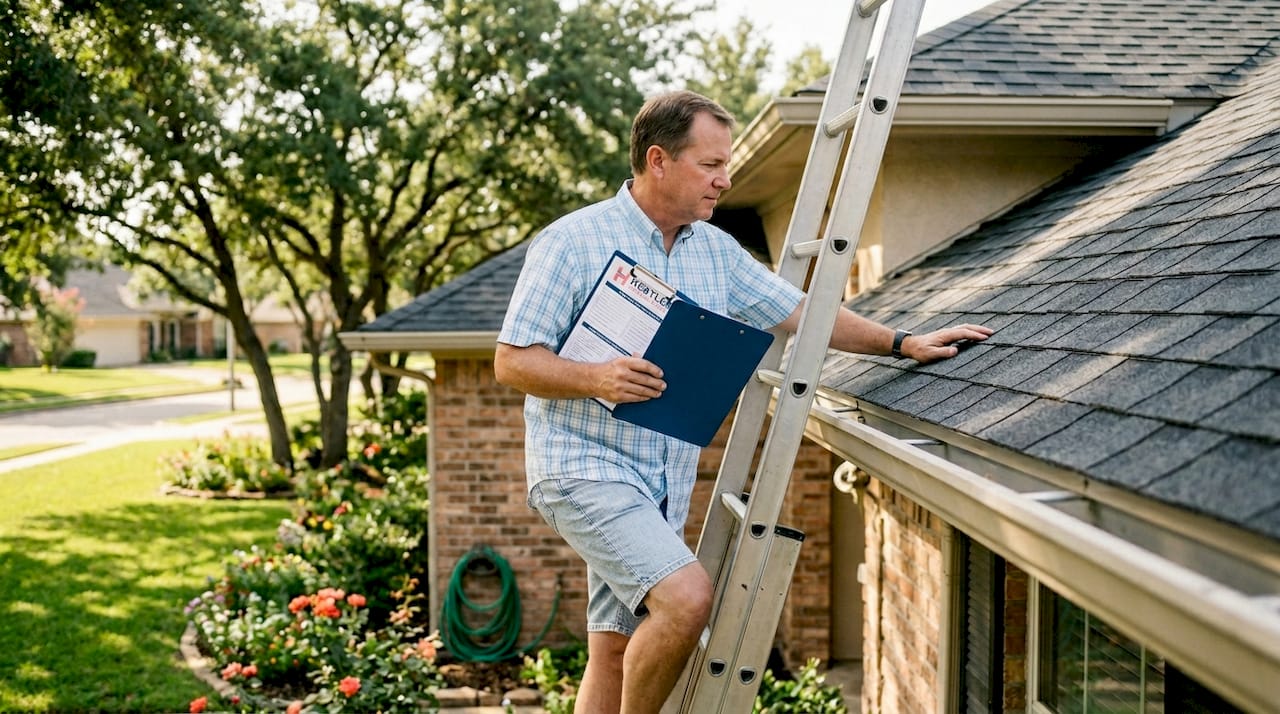
When choosing a Texas insurance carrier, having this documentation ready speeds up the application process and helps agents match you with the right program faster.
Shopping for policies: selecting and balancing coverage amid rising premiums
Once your documentation is in order, the actual shopping process requires a specific approach. Comparing policies on price alone is one of the most common and costly mistakes Texas homeowners make.
Follow these steps when you compare insurance rates and evaluate options:
- Get quotes from multiple carriers. As an independent agency, we work with over 30 carriers. Rates and coverage terms vary more than most homeowners expect, sometimes by hundreds of dollars annually for nearly identical coverage.
- Compare coverage details, not just premiums. Look at what each policy actually pays for. Check dwelling coverage limits, loss-of-use provisions, and how the policy handles your top perils.
- Ask specifically about flood and windstorm. The Texas Department of Insurance recommends asking about flood endorsements and windstorm coverage options every time you shop. Do not assume your agent will bring it up unprompted.
- Adjust your deductible strategically. Higher deductibles lower your premium, but you need to be honest about what you can actually afford to pay out of pocket if a major hail storm takes out your roof. A $5,000 wind and hail deductible might save $300 a year but leave you financially exposed on a $15,000 claim.
- Verify your dwelling coverage equals true replacement cost. This is the single most common coverage gap we see. If you bought your home for $280,000 but it would cost $380,000 to rebuild it today, your coverage limit needs to reflect the higher number.
Pro Tip: Ask insurers about their claim handling record specifically. A carrier that pays quickly and fairly after a West Texas hail storm is worth more than a carrier that offers slightly lower premiums but fights every claim. Check complaint ratios through the Texas Department of Insurance’s insurer complaint database.
| Policy type | What it covers | Typical annual cost | Eligibility requirement |
|---|---|---|---|
| Standard homeowners | Dwelling, personal property, liability | $1,500 to $4,000+ | Standard underwriting |
| NFIP flood insurance | Flood damage, building and contents | $700 to $2,000+ | Available to most; required in high-risk zones |
| TWIA windstorm | Wind and hail in coastal zones | $1,200 to $5,000+ | Coastal zone location, code compliance, prior denial |
| Private windstorm (inland) | Hail and wind coverage in non-TWIA areas | Varies widely | Standard underwriting, hail zone rating |
.
If you are concerned about rising premiums, reviewing options for a homeowners policy increase with your agent can help you find ways to manage costs without losing critical protection.
Maintaining coverage and claim readiness: best practices for Texas homeowners
Securing the right coverage is only half the job. What you do before and after a storm determines whether your policy actually performs when it matters.
- Inspect and reinforce your roof before storm season. IBHS research recommends strengthening roof edges, soffits, and other weak points well before severe weather arrives. Documented improvements can support premium reductions at renewal.
- Keep written records of all property maintenance. Photos, receipts, and contractor invoices create a paper trail that supports your claim if there is ever a dispute about pre-existing damage versus storm damage.
- Prepare for flood events. Keep sandbags, document your property’s current condition with video before storm season, and store irreplaceable documents in waterproof containers or secure digital storage.
- Notify your insurer immediately after damage occurs. Do not wait. Most policies require prompt notice, and delays can give insurers grounds to question whether damage was timely reported.
- Do not start repairs before adjuster inspection. Starting unapproved repairs or altering damaged property before an insurance adjuster sees it can result in claim denial or a reduced payout. Temporary emergency repairs to prevent further damage are generally acceptable, but document everything with photos first.
Important: Delaying your insurer notification or starting significant repairs without approval are among the most common reasons claims are disputed or denied in Texas. When in doubt, call your agent before you touch anything.
Pro Tip: Schedule a professional roof inspection and any needed home renovation work at least 60 to 90 days before peak storm season. That gives your insurer time to re-evaluate your risk profile and potentially reflect your mitigation efforts in your renewal premium.
Why securing property insurance in Texas requires proactive, layered planning
Here is the perspective that most insurance articles will not give you: the homeowners who end up underinsured or completely uninsured after a Texas storm are usually not careless people. They bought a policy. They paid their premiums. They just did not know that one policy was never designed to cover everything Texas can throw at a home.
Texas homeowners need a stack of coverages to address specific perils that standard policies exclude. A standard homeowners policy is a foundation, not a finished structure. Flood coverage and windstorm or hail coverage are not add-ons you consider if you have extra budget. They are required layers of a complete protection plan.
Timing also matters more than most people realize. TWIA will not issue a new policy when a named storm is actively threatening the Gulf Coast. That window closes faster than people expect. If you wait until you see a hurricane on the radar to think about windstorm coverage, you have already missed your opportunity. The right time to address this is well before June 1, the official start of Atlantic hurricane season.
The other misconception worth correcting: price is not the most important variable when you are evaluating coverage. A policy that saves you $400 a year but contains vague exclusionary language, a high wind and hail deductible you cannot afford, or a carrier with a history of disputed claims is not a good deal. It is a liability. Judge insurers by how they perform at claim time, not at quote time.
Here are the proactive steps every young Texas homeowner should prioritize:
- Confirm flood zone and purchase flood insurance regardless of whether your lender requires it
- Verify windstorm eligibility and obtain TWIA or private wind and hail coverage before storm season
- Set dwelling coverage limits at replacement cost, updated after any significant renovation
- Document property condition annually with photos and inspection records
- Review your full coverage stack with a licensed agent every year, not just at renewal
Texas weather has it’s patterns, with more frequent and severe hail events being recorded across West Texas and the Panhandle. That trend is not reversing, and carriers are pricing it into their premiums accordingly. Proactive, layered planning is the only real defense.
How Hettler Insurance Agency can help you secure comprehensive coverage
Knowing what coverage you need is one thing. Getting it right, at the right price, with the right carrier, is where working with an experienced independent agency makes a real difference.

At Hettler Insurance Agency, we have been helping Texas homeowners navigate exactly these challenges since 1992. As an independent agency representing over 30 carriers, we shop the market for you, compare coverage terms side by side, and make sure your policy stack actually covers the risks your property faces. Ron Hettler and Meghan Hettler are both Certified Insurance Counselors (CIC), the top credential in the industry, and they bring that expertise to every client conversation. We understand TWIA eligibility requirements, NFIP enrollment, replacement cost coverage, and how to help you balance deductibles with premiums without leaving yourself exposed.
Working with Hettler means you get:
- A licensed, experienced agent who reviews your specific property risks and coverage gaps
- Access to over 30 top-rated carriers so you get real market competition on your behalf
- Guidance on TWIA applications, flood zone verification, and documentation requirements
- Ongoing support at renewal and after claims, not just at the point of sale
- No extra fees for the coverage shopping and comparison work we do for you
If you are ready to take the next step, start by reviewing your current coverage needs with one of our agents. You can also learn more about selecting the right Texas carrier on our website. Call us, and let’s make sure your home is actually protected.
Frequently asked questions
Does my standard Texas homeowners insurance cover flood damage?
No. Standard Texas homeowners policies exclude flood damage entirely. You must purchase a separate flood insurance policy through the NFIP or a private flood insurer to be covered for any flood-related losses.
What is the Texas Windstorm Insurance Association (TWIA) and do I need its coverage?
TWIA is a state-created insurer that provides wind and hail coverage for properties in designated coastal catastrophe areas where private insurers typically will not write that coverage. TWIA covers wind and hail where private options are unavailable, and if you live in a coastal zone with a homeowners policy that excludes windstorm coverage, your mortgage lender will very likely require you to carry a TWIA policy.
How can I lower my homeowners insurance premiums without losing essential coverage?
Raising your deductible is the most direct way to reduce your premium, but higher deductibles increase out-of-pocket costs when you file a claim, so only adjust to a level you can actually afford. Strengthening your roof and exterior before storm season, as IBHS research recommends, can also support lower risk ratings at renewal.
What should I do after my home suffers insured storm damage in Texas?
Notify your insurer immediately and document all damage with photos and video before touching anything. Do not alter damaged property before your insurer sends an adjuster, as unauthorized repairs can result in a reduced payout or outright claim denial.
About the Author
Ronald J. Hettler, CIC is a Certified Insurance Counselor (CIC) [the gold-standard credential in the independent insurance industry]. Ron has over 46 years of real-world experience in the insurance industry. He is the owner/president of Hettler Insurance Agency in Lubbock, Texas and is licensed by the Texas Department of Insurance (License #666862). (Why Trust Hettler Insurance Agency? It’s a Local independent insurance agency representing multiple carriers. Hettler Insurance Agency has established business roots going back to it’s predecessor in the late 1800’s. Local expertise in Lubbock Texas and West Texas risks. Focused on clarity before a claim occurs.) Ron and his daughter Meghan, also a CIC, lead a team that represents 30+ carriers and serves clients across Texas.
Ron specializes in helping individuals, families, and small business owners understand complex insurance concepts in clear, practical terms so they can make informed decisions about their coverage. He specializes in helping individuals and families understand coverage gaps, deductible structures, and real-world claim outcomes before a loss occurs. Ron helps you to understand how insurance policies respond in real-world claim situations.
License verification available through the Texas Department of Insurance.
Expanded Frequently Asked Questions ?
Q1 ?: Does my standard Texas homeowners insurance cover flood damage?
Q2 ?: What is the Texas Windstorm Insurance Association (TWIA) and do I need its coverage?
Q3 ?: How can I lower my homeowners insurance premiums without losing essential coverage?
Q4 ?: What should I do after my home suffers insured storm damage in Texas?
Q5 ?: When is the best time to secure or update Texas property insurance?
— Life Insurance Instant Quote and Apply Tool @ GetLifePolicy.com > * Quick self-service term life insurance quote. With or without medical exam.
— Call us about Auto, Home, Business, Life, or Health insurance. * Click to Call (806) 798-7800, Mon-Fri 8:30am-5pm (lunch closed Noon-1pm)
— Come see us @ our new address 4720 S Loop 289 Lubbock, TX 79414 (maps link), or get your online quote started at https://GetHettler.com