Summary
Texas recorded 878 hail events in 2024, generating more than $1 billion in property damage statewide. That makes Texas the undisputed national leader in hail activity, and if you own a home here, that number should get your attention. But here’s what most homeowners miss: the weather doesn’t decide your financial outcome after a storm. Your insurance policy does. The right coverages, deductibles, and claim strategy determine whether a hailstorm costs you hundreds or tens of thousands of dollars. This guide breaks down the real risks, explains exactly how Texas home insurance responds to hail, and gives you a practical playbook for protecting your home and your wallet.
Table of Contents
- Why Texas is ground zero for hail risk
- How homeowners insurance responds to hail: What’s covered and what’s not
- Special coverage rules for Texas coastal homeowners
- Steps to maximize your hail claim: Filing, documentation, and smarter repairs
- Why insurance strategy matters more than the weather forecast
- Get expert support for Texas hail insurance decisions
- Frequently asked questions
Key Takeaways
| Point | Details |
|---|---|
| Hail risk is regional | Some Texas areas face major hail threats each year while others see fewer storms. |
| Policy details matter | Your coverage, deductible, and exclusions decide how much you pay out-of-pocket after hail damage. |
| Coastal rules differ | Texas coastal homeowners need special wind/hail policies unavailable in standard insurance. |
| Claims require strategy | Document damage fully and understand legal timelines for the best chance at full payment. |
| Smart choices lower costs | Choosing policy credits and not over-claiming can protect both your budget and renewal options. |
Why Texas is ground zero for hail risk
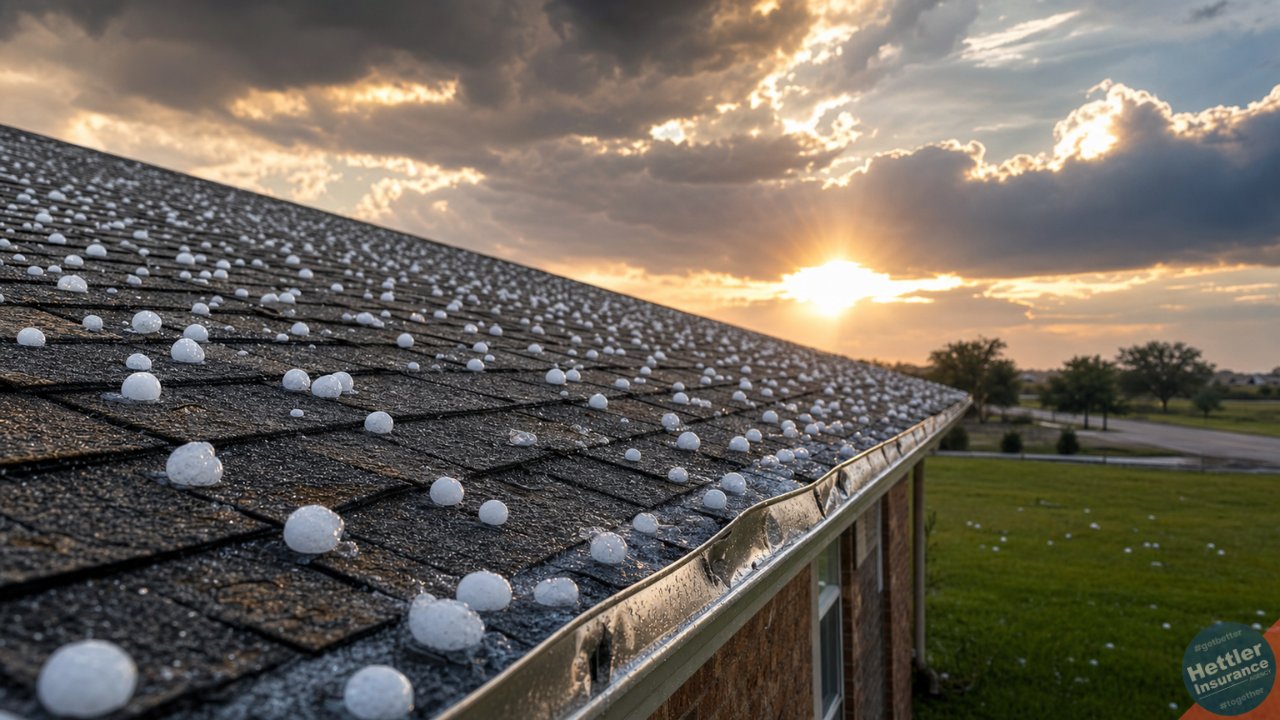
Texas doesn’t just get hail. It gets more hail than any other state in the country. The most hail-prone regions in the U.S. run straight through the heart of Texas, with Dallas-Fort Worth and San Antonio consistently ranking among the highest-risk metro areas in the nation. In 2024 alone, annual hail claims reached $2.9 billion for Texas homeowners, a figure that reflects just how frequently and severely these storms strike.
The geography explains a lot. Warm, moist air from the Gulf of Mexico collides with cold fronts pushing down from the north, creating the atmospheric conditions that produce large, fast-moving hailstorms. West Texas cities like Lubbock and Midland face a different risk profile than Houston or Galveston, but no part of the state is truly safe.
Top Texas counties by hail risk and claim volume:
| County | Annual hail events (avg.) | Estimated annual losses |
|---|---|---|
| Dallas | 20+ | $400M+ |
| Tarrant | 18+ | $310M+ |
| Bexar (San Antonio) | 15+ | $220M+ |
| Lubbock | 12+ | $95M+ |
| Harris (Houston) | 14+ | $180M+ |
.
Understanding climate impacts on insurance helps explain why premiums keep rising. Insurers are paying out more every year, and that cost flows back to homeowners through higher rates and tighter underwriting.
Here’s what hail actually threatens on your property:
- Roof systems: Shingles crack, granules strip away, and underlayment gets exposed to moisture
- Windows and skylights: Impact can shatter glass or compromise seals
- Gutters and downspouts: Dents and separations redirect water into your foundation
- HVAC units: Outdoor condenser fins bend, reducing efficiency or causing failure
- Vehicles: A single storm can total a car parked in your driveway
- Fencing and outbuildings: Sheds, garages, and wood fences absorb significant damage
Review storm preparedness steps before the next storm season. Preparation reduces damage and strengthens your claim. And when selecting home insurers, make sure you’re comparing carriers with strong track records in Texas hail claims, not just the lowest premium.
Having established why hail matters in Texas, let’s break down what your insurance actually does when hail hits.
How homeowners insurance responds to hail: What’s covered and what’s not
Most Texas homeowners carry an HO3 or HO5 policy. Both treat hail as a named peril covered under standard policies, meaning your dwelling, attached structures, other structures like detached garages, and personal property inside your home are all eligible for coverage when hail causes the damage.

But coverage doesn’t mean full reimbursement. Texas policies almost always include a separate wind and hail deductible, and it’s typically expressed as a percentage of your dwelling coverage, not a flat dollar amount.
How deductible percentages affect your out-of-pocket cost:
| Home value | 1% deductible | 2% deductible | 5% deductible |
|---|---|---|---|
| $200,000 | $2,000 | $4,000 | $10,000 |
| $350,000 | $3,500 | $7,000 | $17,500 |
| $500,000 | $5,000 | $10,000 | $25,000 |
.
As you can see, a 2% deductible on a $350k home means you pay $7,000 before your insurer contributes a single dollar. That’s not a small number, and many homeowners don’t realize it until they’re standing in a damaged house.
Common exclusions you need to know:
- Cosmetic damage only (dents in metal that don’t affect function)
- Pre-existing damage that existed before the storm
- Delayed reporting that allows secondary damage to worsen
- Wear and tear that contributed to the failure
To confirm your current coverage, follow these steps:
- Pull out your declarations page and locate the wind/hail deductible section
- Note whether it’s a flat dollar amount or a percentage
- Call your agent and ask specifically about cosmetic damage exclusions
- Confirm whether your policy pays replacement cost value (RCV) or actual cash value (ACV)
- Ask about any endorsements that expand or restrict hail coverage
Also review common hail claim coverage mistakes before your next renewal. Small gaps in coverage become very expensive after a major storm.
Pro Tip: Only file a claim if the repair cost clearly exceeds your deductible. Filing small or borderline claims can trigger rate increases or even non-renewal, especially as Texas insurers tighten their underwriting standards.
Now that you know what is and isn’t covered, it’s crucial to understand how those coverages change along Texas’s unique coastline.
Special coverage rules for Texas coastal homeowners
If you own a home in one of Texas’s 14 coastal catastrophe counties, including Brazoria, Calhoun, Cameron, Galveston, Jefferson, Kenedy, Kleberg, Matagorda, Nueces, Refugio, San Patricio, Aransas, Willacy, and part of Harris County, your standard homeowners policy excludes wind and hail damage entirely. You must obtain coverage through the Texas Windstorm Insurance Association (TWIA) or a private windstorm insurer after receiving a denial from the standard market.
TWIA at a glance (2025 data):
| Metric | Figure |
|---|---|
| Active policies | 252,000+ |
| Total insured exposure | $113 billion |
| Max residential coverage | $1.77 million (dwelling) |
| Deductible range | 2–5% of insured value |
.
For more on your windstorm insurance options, the Texas Department of Insurance provides detailed guidance on eligibility and the application process.
Here’s how coastal deductibles typically work:
- A separate named storm deductible applies when a named tropical system causes the damage
- Wind deductibles are calculated as a percentage of the insured dwelling value
- These deductibles stack separately from your standard homeowners deductible
- TWIA claims require documentation of denial from a standard carrier first
“Coastal counties face a fundamentally different insurance market. The concentration of catastrophic risk means private carriers simply can’t absorb it profitably, which is why TWIA exists as the insurer of last resort. But ‘last resort’ doesn’t mean inferior. It means you need to plan for it deliberately.” — Independent insurance counselor perspective on Texas coastal coverage
Coastal exclusions also apply to cosmetic damage and pre-existing conditions, just like inland policies. Delays after large storms are common, so filing promptly and documenting thoroughly matters even more in coastal regions. Work with an agent who understands choosing a Texas-based insurance carrier for coastal exposure specifically.
Whether inland or coastal, every Texas homeowner benefits from knowing how to file a strong hail claim when the storm passes.
Steps to maximize your hail claim: Filing, documentation, and smarter repairs
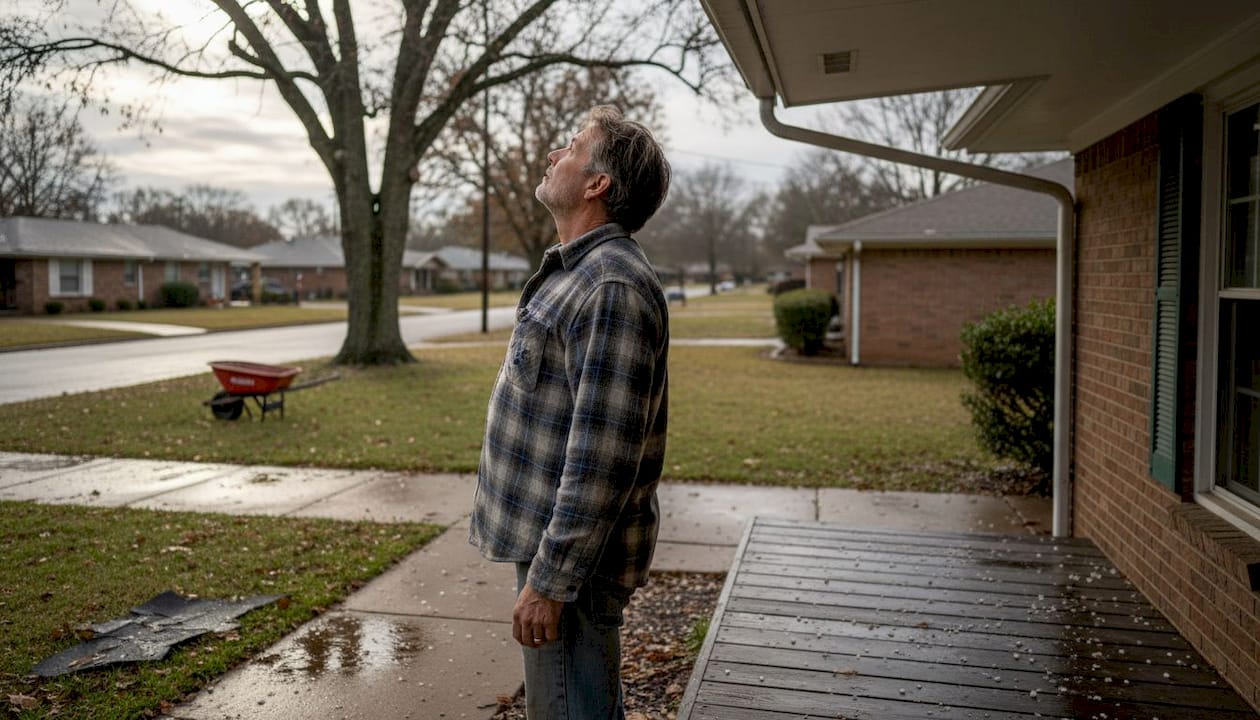
After a hailstorm, the decisions you make in the first 48 hours can significantly affect your payout. Here’s the step-by-step process that experienced homeowners follow:
- Secure your property immediately. Cover exposed areas with tarps to prevent water intrusion. Failing to mitigate further damage can reduce your claim or give the insurer grounds to deny secondary losses.
- Document everything before any repairs. Take photos and video of every damaged surface, including roofing, gutters, windows, siding, and outbuildings. Capture the date stamp.
- Get a professional roof inspection. A licensed roofing contractor can identify functional damage that an untrained eye misses. Their written report strengthens your claim before the adjuster arrives.
- File your claim promptly. Texas law gives you 1 to 2 years to file, but waiting weakens your documentation and gives insurers room to argue about storm attribution.
- Communicate in writing. Follow up every phone conversation with an email summary. This creates a paper trail if a dispute arises.
- Understand your settlement type. RCV (replacement cost value) pays the full cost to replace damaged materials at today’s prices. ACV (actual cash value) subtracts depreciation. RCV policies pay significantly more and are worth the added premium.
Texas law requires insurers to acknowledge your claim within 15 days and make a coverage decision within 15 business days after receiving all required documentation. If they miss those deadlines, you may have legal remedies.
Pro Tip: If you disagree with the adjuster’s assessment, hire a licensed public adjuster. They work on your behalf, not the insurer’s, and often recover significantly more on disputed claims.
Also avoid the most common hail claim mistakes by reviewing your policy before storm season, not after. And remember that regional claim outcomes vary. Lubbock homeowners face different adjuster patterns than DFW homeowners. Ask your agent what to expect in your area.
HB2067, passed in 2026, now requires insurers to provide more detailed written explanations when denying hail claims, giving homeowners a clearer path to appeal. Ask about impact-resistant roof credits that can reduce your premium while also reducing actual storm damage.
With these best practices in hand, knowing how to interpret your risk and set your coverage is key.
Why insurance strategy matters more than the weather forecast
Here’s a perspective that most articles won’t give you: hail frequency is largely outside your control, but your financial exposure is not. The financial risk depends on policy mechanics far more than on how many storms hit your zip code.
Media coverage of Texas hailstorms tends to focus on dramatic totals and record-setting events. That’s useful context, but it can push homeowners toward reactive, fear-based decisions. Panic-buying coverage after a storm, filing every small claim, or choosing the lowest deductible without understanding the premium trade-off are all costly mistakes.
The homeowners who come out ahead are the ones who make deliberate choices before the storm. They choose RCV over ACV. They install impact-resistant roofing upgrades and ask their agent about the premium discount that comes with it. They set a deductible they can actually afford to pay out of pocket. They file claims strategically, not reflexively.
Don’t let weather anxiety drive your insurance decisions. Let your actual risk profile, your home’s age, your roof material, your location, and your financial cushion guide your choices instead. That’s what smart coverage looks like.
Get expert support for Texas hail insurance decisions
Understanding hail coverage is one thing. Applying it to your specific home, location, and budget is where personalized guidance makes all the difference.

At Hettler Insurance Agency, we’ve been helping Texas homeowners navigate hail risk since 1992. As an independent agency representing over 30 top-rated carriers, we shop the market to find you the right coverage at the right price. Whether you’re in Lubbock, DFW, San Antonio, or along the coast, we know the local risks and the policy details that matter. Start by reviewing common insurance mistakes homeowners make, then get expert home insurance advice tailored to your situation. Ready to review your current policy? Explore your options with us today.
Frequently asked questions
Does homeowners insurance in Texas cover all hail damage?
Standard Texas policies cover hail as a named peril for your dwelling, other structures, and personal property, but cosmetic-only damage and pre-existing conditions are typically excluded.
How do Texas wind/hail deductibles work?
Most Texas policies carry a separate percentage deductible for wind and hail, usually between 1% and 5% of your dwelling coverage, which you pay before the insurer contributes anything.
Do coastal Texas homeowners need special hail insurance?
Yes. In the 14 coastal catastrophe counties, standard policies exclude wind and hail, so you must secure coverage through TWIA or a private windstorm insurer.
How long do I have to file a hail claim in Texas?
You generally have 1 to 2 years to file, but filing quickly after the storm gives you stronger documentation and a cleaner claims process.
What’s the best way to lower hail insurance costs?
Ask your agent about discounts for impact-resistant roofing, consider bundling policies, and set a deductible you can realistically afford rather than defaulting to the lowest option available.
Recommended
About the Author
Ronald J. Hettler, CIC is a Certified Insurance Counselor (CIC) [the gold-standard credential in the independent insurance industry]. Ron has over 46 years of real-world experience in the insurance industry. He is the owner/president of Hettler Insurance Agency in Lubbock, Texas and is licensed by the Texas Department of Insurance (License #666862). (Why Trust Hettler Insurance Agency? It’s a Local independent insurance agency representing multiple carriers. Hettler Insurance Agency has established business roots going back to it’s predecessor in the late 1800’s. Local expertise in Lubbock Texas and West Texas risks. Focused on clarity before a claim occurs.) Ron and his daughter Meghan, also a CIC, lead a team that represents 30+ carriers and serves clients across Texas.
Ron specializes in helping individuals, families, and small business owners understand complex insurance concepts in clear, practical terms so they can make informed decisions about their coverage. He specializes in helping individuals and families understand coverage gaps, deductible structures, and real-world claim outcomes before a loss occurs. Ron helps you to understand how insurance policies respond in real-world claim situations.
License verification available through the Texas Department of Insurance.
Expanded Frequently Asked Questions ?
Q1 ?: Does Texas homeowners insurance cover all hail damage?
Q2 ?: How do Texas wind and hail deductibles actually work?
Q3 ?: Do Texas coastal homeowners need special hail insurance?
Q4 ?: How long do I have to file a hail damage claim in Texas?
Q5 ?: What is the best way to lower hail insurance costs without losing coverage?
— Life Insurance Instant Quote and Apply Tool @ GetLifePolicy.com > * Quick self-service term life insurance quote. With or without medical exam.
— Call us about Auto, Home, Business, Life, or Health insurance. * Click to Call (806) 798-7800, Mon-Fri 8:30am-5pm (lunch closed Noon-1pm)
— Come see us @ our new address 4720 S Loop 289 Lubbock, TX 79414 (maps link), or get your online quote started at https://GetHettler.com