TL;DR:
- Lubbock faces frequent hail, tornadoes, and flash floods, requiring specialized storm coverage.
- Homeowners should understand policy details like deductibles, exclusions, and payout methods for comprehensive protection.
- Flood insurance is essential for high-risk zones, and coverage gaps often lead to underinsurance after storms.
If you own a home in Lubbock, you already know that West Texas weather plays by its own rules. Hailstorms roll in fast, flash floods catch neighborhoods off guard, and the wind rarely takes a day off. Picking the right storm insurance is not just about checking a box for your mortgage lender. It means understanding which coverage types actually protect your property, what the exclusions can cost you, and how local laws affect your claims. This guide breaks down every essential piece so you can make decisions you feel confident about.
Table of Contents
- How to evaluate storm insurance for Lubbock homes
- Hail, flood, and wind coverage essentials
- Flood risk zones and insurance must-knows
- Comparing storm insurance options: What matters most
- A local expert’s take: What most storm insurance guides miss
- Get expert help with Lubbock storm insurance
- Frequently asked questions
Key Takeaways
| Point | Details |
|---|---|
| Lubbock storm hazards | Frequent hail and flooding make comprehensive storm insurance essential for homeowners. |
| Coverage details matter | Review exclusions, deductibles, and payout types closely to avoid costly gaps in protection. |
| Flood risk is location-specific | Homes in Zones A/AE face mandated insurance requirements, but all residents should check FEMA maps for risk. |
| Cost vs. value pitfalls | Basing coverage on your home’s purchase price can lead to underinsurance; always check rebuild cost. |
| Expert help is invaluable | Consulting local insurance advisors ensures coverage tailored to Lubbock’s unique weather threats. |
How to evaluate storm insurance for Lubbock homes
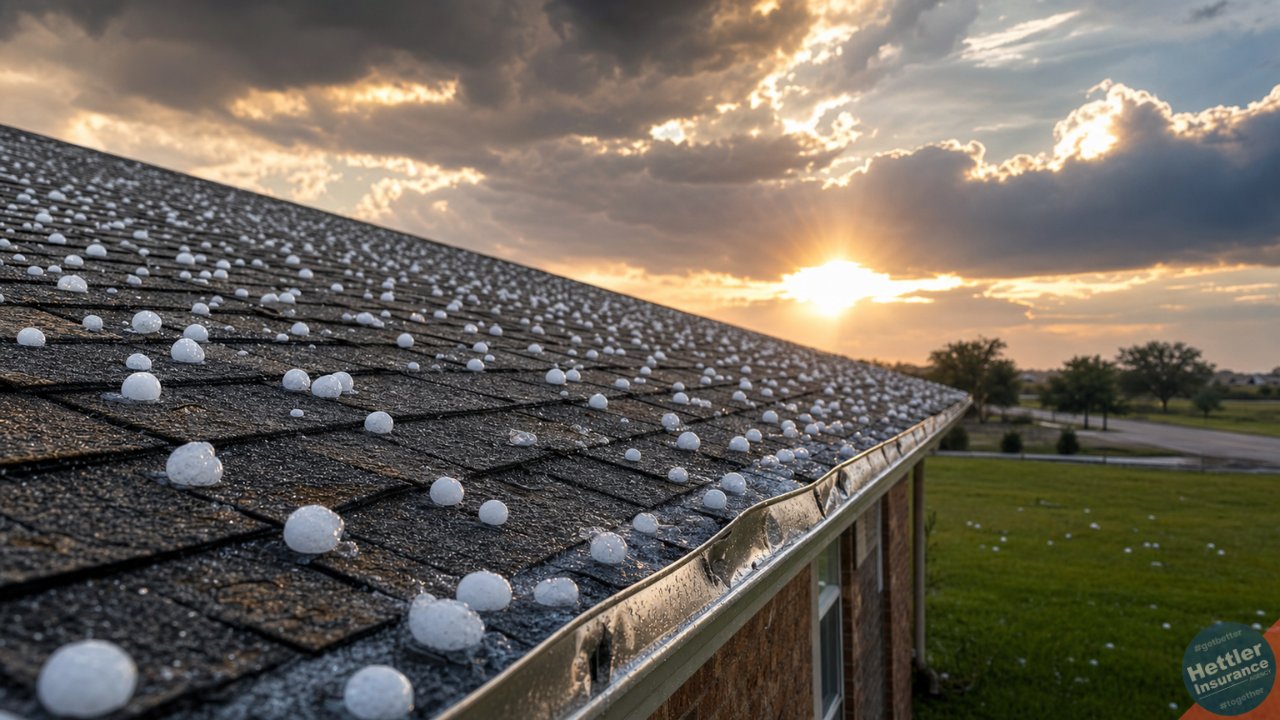
Before you compare price quotes, you need to understand what weather risks your home actually faces. Lubbock sits in one of the most severe hail corridors in the entire country. Since 2000, Lubbock has recorded 122 severe hail days, ranking it third among all Texas counties for hail frequency. Texas itself leads the nation in hail events and total hail losses. That matters because insurance carriers know this data, and they design policies accordingly.
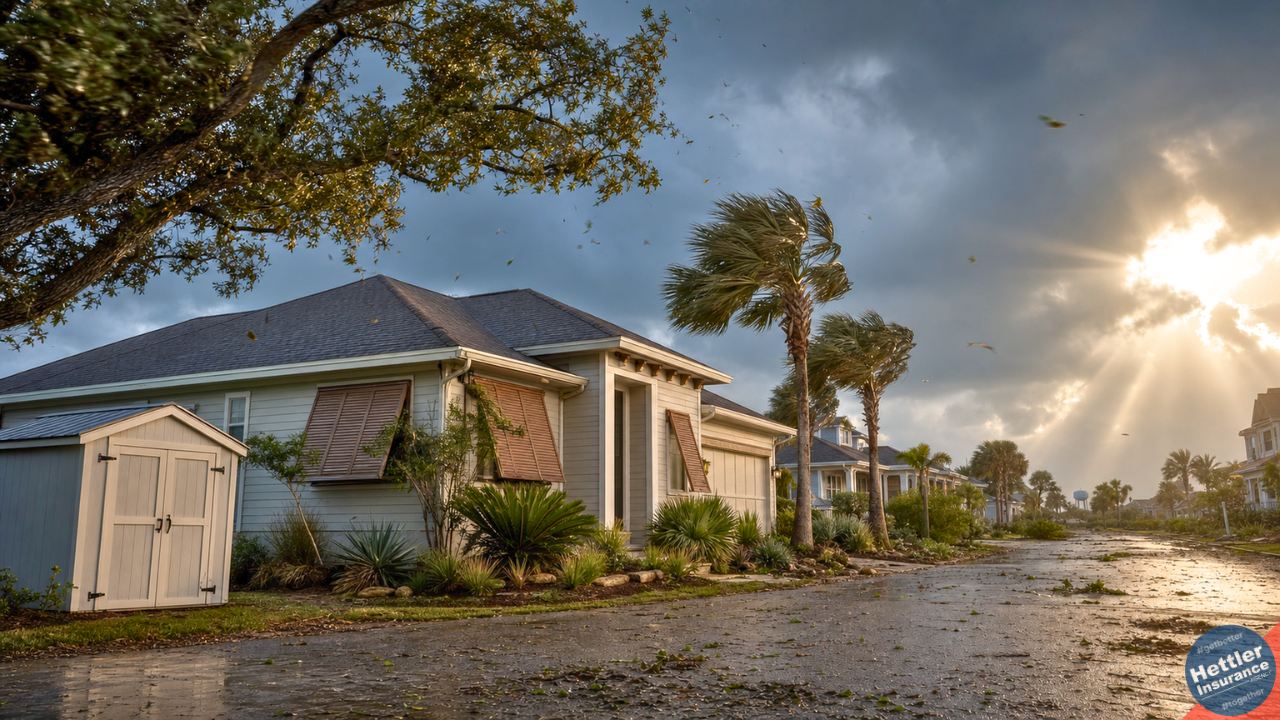
Hail is not your only threat. Lubbock also sits in a region prone to strong tornadoes, damaging straight-line winds, and flash flooding events that seem to come out of nowhere given the relatively flat terrain. When water has nowhere to drain quickly, neighborhoods near low-lying areas or waterways can take on serious damage fast.
So what should you actually evaluate when looking at a storm insurance policy? Start with these core criteria:
- Hail coverage specifics: Check whether your policy covers functional damage only, or if it also covers cosmetic damage such as dents on metal roofing and siding. Many policies sold in Texas now include cosmetic exclusions, which means visible but non-structural hail damage will not trigger a payout.
- Wind and tornado deductibles: Texas policies frequently include a separate wind or hail deductible. This is a specific dollar amount or percentage of your home’s insured value that you pay before coverage kicks in on wind-related claims. Know what yours is before a storm hits.
- Flood coverage: Standard homeowners policies do not cover flood damage. Period. You need a separate flood insurance policy, and this is a detail many homeowners discover only after filing a claim.
- Payout type: Does your policy pay Actual Cash Value (ACV) or Replacement Cost Value (RCV)? More on this critical difference below.
- Policy exclusions: Ask your agent to walk you through every exclusion related to storm damage. Local-specific exclusions do exist, and auto insurance tips for Lubbock drivers face similar exclusion traps on comprehensive coverage.
Pro Tip: Ask your agent specifically whether your policy was crafted with West Texas weather risks in mind or whether it is a generic statewide form. Insurers sometimes use standard policy language that fails to account for Lubbock’s specific hail and flood exposure patterns. You can also review how wildfire risks in West Texas add another layer of coverage complexity in this region.
Evaluating storm insurance well means reading beyond the summary page. The declarations page shows your limits. The policy form shows your exclusions. Both matter equally.
Hail, flood, and wind coverage essentials
Now that you know what to look for, let’s get specific about the three biggest storm coverage categories every Lubbock homeowner needs to understand: hail, wind, and flood.
How each coverage type works
- Hail insurance: Hail coverage is included in most standard Texas homeowners policies under the “windstorm and hail” peril. But what the policy actually pays depends heavily on the deductible structure and the payout method. A 2% wind/hail deductible on a home insured for $300,000 means you pay $6,000 out of pocket before coverage applies.
- Wind and tornado coverage: Wind damage from tornadoes is generally covered under the same windstorm peril as hail. However, the Texas Supreme Court has held that tornado claims trigger the wind/hail deductible rather than the standard all-peril deductible. This is an edge case most homeowners do not know about until they see a much larger out-of-pocket cost after a tornado event.
- Flood insurance: Flooding requires a completely separate policy, typically purchased through the National Flood Insurance Program (NFIP) or a private flood insurer. Flood policies have their own limits, deductibles, and waiting periods. Most NFIP policies have a 30-day waiting period before they take effect, so you cannot buy flood insurance the day before a storm warning.
Important: If your roof is more than 10 to 15 years old, your insurer may only pay ACV (Actual Cash Value) rather than RCV (Replacement Cost Value) for storm damage. ACV subtracts depreciation, meaning a 15-year-old roof worth $20,000 new might only net you $7,000 or $8,000 after a major hail event.
Understanding climate change and Texas insurance trends is also relevant here, because carriers are tightening underwriting criteria and adjusting roof coverage terms as storm frequency increases statewide.
Here’s a quick breakdown of what cosmetic exclusions typically leave out:
- Dents in metal roofing, gutters, or flashing that do not affect function
- Hail marks on siding that do not cause leaks or structural issues
- Aesthetic damage to fences or outdoor structures
Pro Tip: Verify that your policy covers the full rebuild cost of your home, not the purchase price or the market value. Construction costs in Lubbock have increased significantly in recent years, and many homeowners are underinsured because their dwelling coverage amount was set at the original purchase price. Ask your agent to run a replacement cost estimator annually. Also, consider adding windshield coverage to your auto policy, since Lubbock hailstorms are notorious for cracking windshields on vehicles left outside.
Flood risk zones and insurance must-knows
Flooding and Lubbock might not seem like an obvious pairing, but the city’s drainage infrastructure and flat topography create real flood risk in specific neighborhoods. Lubbock participates in the NFIP program, and certain areas within the city fall into high-risk Zones A and AE. These zones carry a 1% annual chance of flooding, which sounds small until you realize that over a 30-year mortgage, that adds up to a roughly 26% cumulative chance of flooding at least once.

Areas near MacKenzie Park, the Yellow House Canyon, and the drainage corridors near the courthouse are among the zones that FEMA has designated as higher risk. If your home sits in one of these zones, your mortgage lender will likely require you to carry flood insurance as a loan condition.
Flood zone comparison at a glance
| Flood zone | Risk level | Flood insurance required? | Notes |
|---|---|---|---|
| Zone X | Minimal | No | Outside 500-year floodplain |
| Zone B/C | Moderate | Typically no | May still be advisable |
| Zone A | High (1% annual) | Yes, if mortgaged | No base flood elevation established |
| Zone AE | High (1% annual) | Yes, if mortgaged | BFE (Base Flood Elevation) determined |
Steps to verify your home’s flood risk:
- Step 1: Visit the FEMA Flood Map Service Center at msc.fema.gov and enter your Lubbock address.
- Step 2: Identify which flood zone designation applies to your property.
- Step 3: Contact your mortgage servicer to confirm whether flood insurance is required.
- Step 4: Get quotes from both NFIP and private flood insurers, since private options sometimes offer better limits.
- Step 5: Review your policy’s waiting period. Plan ahead and do not wait until storm season.
You can also read our in-depth Lubbock floodplain guide for neighborhood-specific details. Even if your home is not in a mapped high-risk zone, flooding can still happen. In fact, more than 20% of NFIP claims come from properties outside designated high-risk flood zones.
Pricing for flood insurance through NFIP is federally set and based on your home’s flood zone, elevation, and age of construction. Homes elevated above the Base Flood Elevation pay lower premiums. Homes built before FEMA established local flood maps (called pre-FIRM buildings) often face higher rates. A private flood policy may offer broader coverage, higher limits, and sometimes shorter waiting periods than NFIP, so it is worth comparing both options. For more on how your broader Texas insurance needs factor into overall risk planning, review your full coverage picture annually.
Comparing storm insurance options: What matters most
With hail, wind, and flood coverage clearly defined, the next question is which policy structure actually protects you best. The answer depends largely on how your policy pays when you file a claim.
ACV vs. RCV vs. basic policy: Side-by-side comparison
| Feature | Basic/ACV policy | RCV policy | Enhanced RCV policy |
|---|---|---|---|
| Roof payout method | Depreciated value | Full replacement cost | Full cost, no age limits |
| Hail cosmetic damage | Often excluded | Sometimes included | Typically included |
| Flood coverage | Not included | Not included | Not included (separate) |
| Wind/hail deductible | Separate, 1-2% | Separate, 1-2% | Negotiable |
| Best for | Newer homes or tight budgets | Most Lubbock homeowners | Older homes with aging roofs |
The Texas Supreme Court ruling on wind/hail deductibles reinforces why reading your policy form carefully is so critical. A tornado event does not trigger your standard all-peril deductible. It triggers your wind/hail deductible, which is almost always higher.
Common exclusions homeowners in Lubbock frequently misunderstand:
- Cosmetic hail damage: Dents, dings, and discoloration without functional damage are excluded from many newer policies. Always confirm whether your policy includes or excludes cosmetic hail damage in writing.
- Older roof ACV limits: If your roof is aging, insurers may apply ACV settlement rules, meaning depreciation reduces your payout significantly. Upgrading to an RCV endorsement (a policy add-on that changes how your claim is paid) is often worth the additional premium.
- Underinsurance from purchase price errors: Many homeowners set their dwelling coverage limit at what they paid for the home. But rebuild costs include labor, materials, and code compliance upgrades that can far exceed the original purchase price. Review this number every year.
Quick tips to maximize storm coverage in Lubbock:
- Request an RCV endorsement if your policy defaults to ACV for roof damage.
- Increase your dwelling coverage to reflect current rebuild costs, not market value.
- Ask about ordinance or law coverage, which pays for code-required upgrades during a rebuild after a covered loss.
- Bundle smartly. Working with an independent agency gives you the ability to compare contractor insurance coverage in Texas and home policies from dozens of carriers at once.
- Check annually. Policy increases for Texas homeowners have been significant, but your coverage limits should increase proportionally too.
A local expert’s take: What most storm insurance guides miss
After years of helping Lubbock homeowners navigate claims and coverage decisions, we have seen one mistake repeat itself more than any other: homeowners assume that because they have insurance, they are fully protected. They are not always.
The most common gap we see is underinsurance based on purchase price. A home bought for $180,000 five years ago may cost $260,000 or more to rebuild today given material and labor costs. If your dwelling limit has not kept pace, you will cover the difference yourself after a storm.
Generic storm insurance guides also fail to explain how shifting claims trends affect your options. As climate change affects Texas insurance markets, carriers are pulling back on certain coverages, tightening roof age requirements, and introducing stricter cosmetic exclusions. These are not hypothetical concerns. They affect the actual policies available to Lubbock homeowners today.
Our advice: Do not shop for storm insurance by price alone. Shop for it by coverage quality, then compare price among policies that actually protect you. A $200 annual premium difference means nothing if your ACV policy leaves you $40,000 short after a major hail event.
Get expert help with Lubbock storm insurance
Storm coverage in Lubbock is not a one-size-fits-all decision, and navigating the fine print of hail exclusions, flood zones, and deductible structures takes real expertise. At Hettler Insurance Agency, we have been helping West Texas homeowners find the right coverage since 1992. As an independent agency, we compare options across more than 30 top-rated carriers to find the policy that fits your home, your risk level, and your budget.

Whether you are buying your first home or reviewing a policy that has not been updated in years, we are here to help. We also work with homeowners who want to review minimum insurance needs for broader financial planning. Connect with our team at Hettler Insurance Agency to get personalized guidance and honest answers. Get Hettler, Get Better.
Frequently asked questions
How frequent are hailstorms in Lubbock, and is hail damage covered?
Lubbock ranks third in Texas for severe hail days with 122 recorded since 2000, and hail coverage is standard in most homeowners policies, but cosmetic hail damage is commonly excluded under newer policy forms, so always confirm your specific terms before signing.
Do all Lubbock homeowners need flood insurance, or only those in certain areas?
Flood insurance is legally required for mortgaged homes in FEMA Zones A and AE, but all Lubbock homeowners should check their flood zone status and consider private flood coverage regardless of zone designation, since flooding can occur outside mapped high-risk areas.
What’s the difference between ACV and RCV, and why does it matter?
ACV (Actual Cash Value) pays your roof’s depreciated value at the time of the storm, while RCV (Replacement Cost Value) pays the full cost to replace it, and for older roofs this gap can be tens of thousands of dollars, which is why the Texas Supreme Court’s deductible ruling makes policy terms even more critical to review carefully.
How do I check if my Lubbock home is in a floodplain?
Visit the FEMA Flood Map Service Center online and enter your address to see your flood zone designation, or contact a local agent who can walk you through Lubbock’s NFIP participation zones and explain what that means for your coverage requirements and insurance costs.
Recommended
About the Author
Ronald J. Hettler, CIC is a Certified Insurance Counselor (CIC) [the gold-standard credential in the independent insurance industry]. Ron has over 46 years of real-world experience in the insurance industry. He is the owner/president of Hettler Insurance Agency in Lubbock, Texas and is licensed by the Texas Department of Insurance (License #666862). (Why Trust Hettler Insurance Agency? It’s a Local independent insurance agency representing multiple carriers. Hettler Insurance Agency has established business roots going back to it’s predecessor in the late 1800’s. Local expertise in Lubbock Texas and West Texas risks. Focused on clarity before a claim occurs.) Ron and his daughter Meghan, also a CIC, lead a team that represents 30+ carriers and serves clients across Texas.
Ron specializes in helping individuals, families, and small business owners understand complex insurance concepts in clear, practical terms so they can make informed decisions about their coverage. He specializes in helping individuals and families understand coverage gaps, deductible structures, and real-world claim outcomes before a loss occurs. Ron helps you to understand how insurance policies respond in real-world claim situations.
License verification available through the Texas Department of Insurance.
Expanded: Frequently Asked Questions ?
Q1 ?: How frequent are hailstorms in Lubbock, and is hail damage covered?
Q2 ?: Do all Lubbock homeowners need flood insurance, or only those in certain areas?
Q3 ?: What’s the difference between ACV and RCV, and why does it matter?
Q4 ?: How do I check if my Lubbock home is in a floodplain?
Q5 ?: Why is my dwelling coverage based on rebuild cost instead of purchase price?
— Life Insurance Instant Quote and Apply Tool @ GetLifePolicy.com > * Quick self-service term life insurance quote. With or without medical exam.
— Call us about Auto, Home, Business, Life, or Health insurance. * Click to Call (806) 798-7800, Mon-Fri 8:30am-5pm (lunch closed Noon-1pm)
— Come see us @ our new address 4720 S Loop 289 Lubbock, TX 79414 (maps link), or get your online quote started at https://GetHettler.com