

TL;DR summary:
- The average Texas homeowners premium was $3,506 a year in 2025, according to preliminary Texas Department of Insurance (TDI) data. Your own premium can land well above or below that.
- Your replacement cost, roof, location, deductibles, and claims history move your premium more than any statewide average.
- Online averages for the same Texas city disagree widely because each site prices a different sample home, so use them as background, not a budget.
- Budget for your wind and hail deductible, not just your premium. A 2% deductible on a $300,000 dwelling limit means $6,000 out of pocket before storm coverage pays.
- Flood isn’t covered by a standard homeowners policy, and most flood policies have a 30-day waiting period.
- TDI recommends shopping regularly. An independent agent can compare multiple carriers in one conversation.
Home insurance cost in Texas averaged $3,506 a year in 2025, based on preliminary statewide data from the Texas Department of Insurance (TDI). That works out to roughly $292 a month. It’s a useful benchmark, but it isn’t your number. Texas absorbs more hail, wind, tornado, and hurricane losses than most states, and your actual premium will land somewhere in a wide band depending on your city, your roof, and how much it would cost to rebuild your house.
Before you get a quote, know the basics that move your number up or down:
- State benchmark: $3,506 a year, TDI’s 2025 preliminary average annual premium
- Biggest drivers: catastrophe exposure (hail, wind, flooding), replacement cost, roof condition, and deductibles
- Hidden budget item: your wind and hail deductible, which is often a percentage of your dwelling limit
- Fastest fix: compare quotes from multiple carriers, or work with an independent agent who does that shopping for you
Table of Contents
- Key Takeaways
- How Much Is Homeowners Insurance in Texas, by City and Coverage Level
- Why Published Texas Averages Don’t Agree
- What Actually Changes Your Premium in Texas
- How to Estimate Your Own Annual Premium
- Budget for Your Deductible, Not Just Your Premium
- Practical Ways to Lower Your Home Insurance Cost in Texas
- Flood Insurance, TWIA, and the Texas FAIR Plan
- What an Independent Agent Sees Every Day in Texas
- Why Texas Insurance Budgeting Requires Local Numbers, Not National Ones
- Get a Texas Home Insurance Quote Built Around Your Real Numbers
- Sources
- Frequently Asked Questions
Key Takeaways
Home insurance cost in Texas runs higher than in most states because catastrophe exposure and rebuilding costs are high, and the most reliable ways to control it are accurate replacement cost, smart deductible choices, and regular comparison shopping.
| Point | Details |
|---|---|
| State average premium | TDI’s 2025 preliminary average annual homeowners premium is $3,506. |
| Location matters | Coastal hurricane exposure and inland hail risk both push premiums up, so two similar homes in different Texas cities can be priced very differently. |
| Published averages conflict | Rate websites price different sample homes, so their averages for the same city can disagree widely. Only a real quote on your home counts. |
| Budget for the deductible | Wind and hail deductibles are often a percentage of your dwelling limit, which can mean thousands of dollars out of pocket after a hailstorm. |
| Flood isn’t included | Standard policies exclude flood damage; NFIP or private flood coverage requires a separate policy and usually a 30-day wait. |
| Compare carriers at renewal | Hettler Insurance Agency compares 30+ top-rated carriers to match rate and coverage to your home. |
How Much Is Homeowners Insurance in Texas, by City and Coverage Level
Texas runs one of the most competitive home insurance markets in the country. TDI reports “nearly 160 companies selling homeowners insurance policies in the state,” covering more than 8.2 million active policies in 2025. Competition helps, but it doesn’t erase the geography problem. A home in Lubbock and a home in Houston can carry very different premiums for the same square footage, because insurers price regional storm risk, not just the house itself.
Recent rate activity has cooled somewhat. TDI’s rate filing data shows homeowners rate requests averaging −2.8% for the 30 days ending July 2026 and +0.4% over May through July 2026. Those are averages of filed requests, though, not a promise about your renewal.
Coverage amount matters as much as location. TDI explains that premium isn’t the same thing as rate:
- Rate is “the cost of insurance per exposure unit,” such as each $1,000 of home coverage.
- Premium is the total amount you pay for the policy.
As TDI puts it, “not only do rate changes affect premiums, but coverage amounts do, too.” If your dwelling limit rises because rebuilding costs went up, your premium can rise even when the underlying rate stays flat. TDI’s home insurance guide says it plainly: “Houses with higher replacement costs have higher premiums.”
Why Published Texas Averages Don’t Agree
Search for home insurance cost in Texas and you’ll find averages that disagree by thousands of dollars, sometimes for the same city. That isn’t because one site is right and the others are wrong. Each one is measuring something different.
- Different sample homes. Rate websites price a hypothetical house. One might assume $250,000 of dwelling coverage, another $300,000, and another a different home altogether.
- Different deductibles and limits. A sample policy with a $1,000 deductible prices very differently from one with a 2% wind and hail deductible.
- Different carriers and ZIP codes. Some sites average a handful of large insurers; others sample many ZIP codes within a city. Each company’s underwriting rules are different, and as TDI notes, “different companies charge different rates.”
- Different data types. TDI’s $3,506 figure comes from statewide market data on Texas homeowners policies. Most rate websites show quoted prices for a sample home, which can run higher or lower.
Pro Tip: Use published averages as background, not as your budget. The only number that matters for your household is a quote built on your home’s replacement cost, roof, and deductible choices.
What Actually Changes Your Premium in Texas
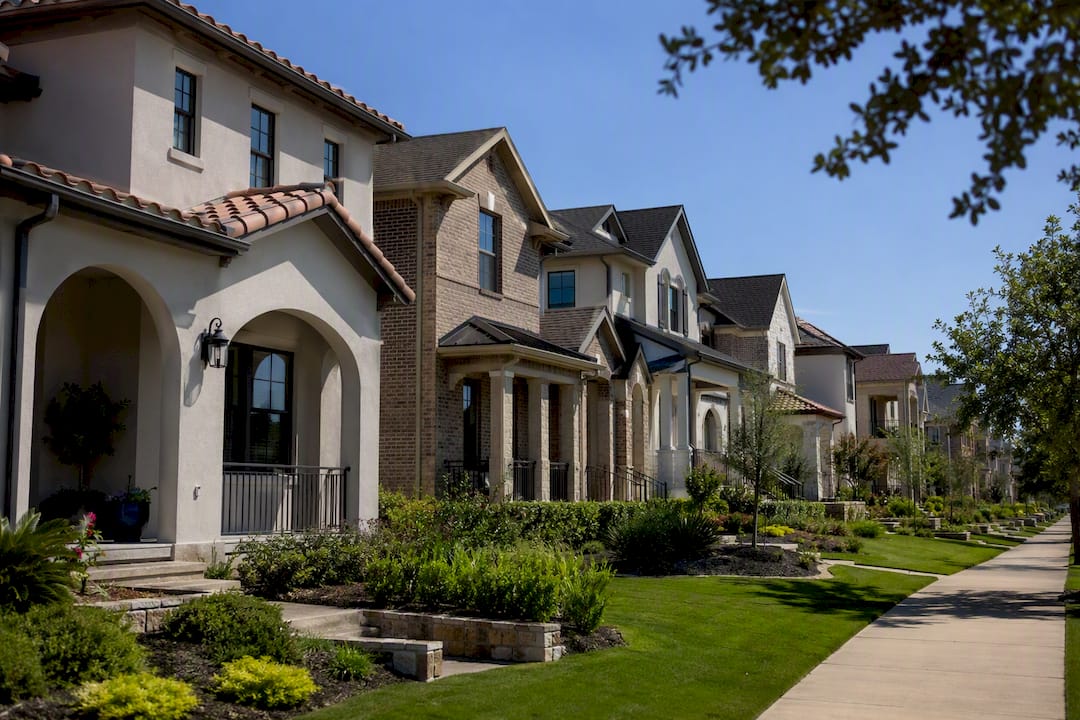
Insurers underwrite Texas homes against a long list of variables, because the state’s risk profile is genuinely complicated. Knowing which factors you can influence, and which you can’t, helps you focus where it counts.
- Roof age and material. TDI notes that new roofs often get a better rate than older ones, and that if your roof is old or in poor condition, your company might not cover it. Many policies also reduce roof coverage based on age and materials.
- Location hazards. Flood zone designation, coastal proximity, local hail frequency, and fire protection (like distance to a fire station or hydrant) all factor into pricing.
- Coverage structure. Replacement cost coverage usually costs more than actual cash value, but TDI says that “to be fully protected,” your policy should have replacement cost coverage. Higher liability limits and endorsements like water backup or scheduled jewelry add to premium.
- Deductible choices, especially wind and hail. Many Texas policies carry a separate percentage deductible for wind and hail, figured as a percentage of your dwelling limit. TDI notes your wind and hail deductible “can be more than the deductible for other types of damage.”
- Personal history. Prior claims, occupancy, and security features like monitored alarms shift your rate. TDI says some companies use your credit score to decide what to charge, though a company “can’t turn you down based only on your credit.”
- Market-level pressure. Repeated catastrophe losses push rates up across the board, independent of anything you do. NOAA’s National Centers for Environmental Information counts 190 confirmed billion-dollar weather and climate disasters affecting Texas from 1980 through 2024. Our guide to why home insurance rates rise in Texas goes deeper.
How to Estimate Your Own Annual Premium
Building a realistic number for your own house takes four steps, and none of them requires an underwriting degree.
- Nail down your replacement cost, not your market value. Market value includes the land; replacement cost covers only rebuilding the structure at today’s prices, and that’s what insurers price against. Ask your agent to run a replacement-cost estimate. TDI notes most companies require you to insure your house for at least 80% of its replacement cost, and some require 100%.
- Pick your deductible structure. A flat-dollar deductible behaves differently than a percentage wind and hail deductible. Ask for quotes at more than one deductible level so you can see the trade-off.
- Factor in your local catastrophe exposure. Coastal homes may need separate windstorm coverage, and inland homes in hail-prone areas like the South Plains face their own storm pricing.
- Add the endorsements you actually need, whether that’s water backup coverage, scheduled personal property for valuables, or a separate flood policy.
Then add up the full annual picture: your homeowners premium, any flood or windstorm policy, and the money you set aside for your deductible. If you have a mortgage, your lender will collect the premium through escrow, so ask how a premium change will affect your monthly payment.
Budget for Your Deductible, Not Just Your Premium
Most homeowners budget for the premium and forget the deductible until a hailstorm arrives. In Texas, that’s often the bigger surprise. A percentage deductible is calculated on your dwelling coverage limit, not on the size of the claim, so the dollar amount grows as your home’s insured value grows.
Here’s the math at common percentage levels:
| Dwelling Coverage Limit | 1% Wind/Hail Deductible | 2% Wind/Hail Deductible |
|---|---|---|
| $200,000 | $2,000 | $4,000 |
| $300,000 | $3,000 | $6,000 |
| $400,000 | $4,000 | $8,000 |
| $500,000 | $5,000 | $10,000 |
Math only: deductible equals the percentage times your dwelling coverage limit. Your policy’s declarations page shows your actual deductibles.
Three budgeting habits make that number manageable:
- Know the dollar amount. TDI suggests asking what the dollar amount of your deductibles is. Write it down next to your premium.
- Build a storm reserve. Set aside savings toward your wind and hail deductible, especially before spring hail season on the South Plains.
- Weigh the trade-off honestly. TDI notes that “policies with higher deductibles have lower premiums,” but “if you choose a higher deductible, you’ll have to pay more out of pocket if you need to make a claim.” A lower premium only saves money if you can cover the deductible when the hail comes.
For a Lubbock-specific look at how these deductibles play out after a storm, see Texas hail deductibles explained.
Practical Ways to Lower Your Home Insurance Cost in Texas

Lowering your premium responsibly means cutting cost without cutting the coverage you’d need after a real loss. A handful of levers move the needle more than others.
- Shop your policy regularly, not just at purchase. TDI recommends that consumers “shop for coverage regularly” and notes, “You often get the best rates when you’re willing to switch companies.” TDI’s HelpInsure.com lets you compare policies sold in your area, and an independent agent can run that comparison across multiple carriers in one conversation.
- Upgrade to an impact-resistant roof when it’s time to replace. According to TDI, “a Class 4 roof covering would receive the highest premium credit,” and each insurance company sets its own discount amount. Ask your contractor for TDI form PC068 or your company’s own form to document the installation.
- Watch for resilience discounts. In September 2026, TDI issued a bulletin pushing insurers to give premium discounts to homeowners who strengthen their homes, such as roofs built to the IBHS FORTIFIED Home standard.
- Choose your deductible deliberately. A higher deductible lowers your premium now but raises your exposure at claim time, so compare both numbers before deciding.
- Stack the discounts you qualify for. TDI lists monitored burglar or fire alarms, sprinkler systems, impact-resistant roofs, newer homes in good condition, multiple policies with the same company, and three claim-free years. Bundling home and auto is often the easiest to claim.
Pro Tip: Before you file a small claim that’s close to your deductible, ask your agent how a claim could affect your renewal. A quick conversation before you file is better than a surprise later.
Flood Insurance, TWIA, and the Texas FAIR Plan
Standard homeowners policies exclude flood damage, a gap that surprises Texas homeowners more than almost any other. FloodSmart, the National Flood Insurance Program’s site, notes that “most homeowners insurance does not cover flooding, and federal disaster assistance is not guaranteed.” It also reports that in 2024, $3.8 billion of the nation’s flood damage hit communities that aren’t considered high-risk.
- Flood coverage (NFIP or private): This is a separate policy, priced separately from your homeowners coverage. Mortgage lenders typically require it in designated high-risk flood zones. TDI warns that most flood policies have a 30-day waiting period, “so don’t wait for an approaching storm before deciding to buy coverage.” Learn more in Texas flood insurance explained.
- TWIA (Texas Windstorm Insurance Association): TDI explains that TWIA sells wind and hail coverage for coastal residents who have been turned down by an insurance company, in 14 coastal counties and parts of Harris County east of Highway 146. You apply through your agent. See our Texas windstorm insurance guide.
- Texas FAIR Plan: The FAIR Plan is a last-resort option. TDI says that “to get a policy, you must have been turned down by two insurance companies,” and you won’t qualify if a company has offered you a policy or renewal.
Adding flood or TWIA windstorm coverage increases your total annual insurance spend, but skipping it in a high-risk area leaves you exposed to a loss your homeowners policy won’t pay.
What an Independent Agent Sees Every Day in Texas
Ron Hettler founded Hettler Insurance Agency in Lubbock in 1992. Today, Ron Hettler, CIC (Certified Insurance Counselor), agency founder and president with 45+ years of insurance industry experience, and Meghan Harris, CIC, who co-leads the agency with Ron, see the same avoidable budgeting mistakes come up at renewal time. Working with 30+ top-rated carriers instead of one company gives an independent agency a wider set of underwriting options than a single carrier can offer.
Before you request quotes, gather these details so an agent can give you an accurate number instead of a rough guess:
- Your home’s square footage, construction type, and any major updates
- Roof age, material, and any impact-resistance documentation
- Claims history for the past five years
- Your current declarations page, including all deductibles
- Mortgage escrow requirements from your lender
The most common error we see is insuring to a mortgage balance or purchase price instead of true replacement cost, then discovering after a total loss that the payout falls short of what rebuilding actually requires. Mismatched wind and hail deductibles and outdated coverage limits show up almost as often. Both are easy to catch in a regular policy review.
Why Texas Insurance Budgeting Requires Local Numbers, Not National Ones
Most guides to home insurance cost lean on national averages that mean little to a homeowner in Lubbock, Midland, or Galveston. Even statewide averages hide big regional differences between Gulf Coast hurricane exposure and South Plains hail.
The conventional wisdom, “get three quotes and pick the cheapest,” undersells how much deductible structure can distort that comparison. Two quotes with similar premiums can carry very different out-of-pocket costs after a storm. Compare premiums and deductible dollar amounts side by side.
If you take one thing from this guide, let it be this: get your replacement cost right before you compare a single quote. Every other number, from deductibles to discounts to endorsements, only makes sense once that baseline figure is accurate. Buying your first Texas home? Start with our Texas homeowners insurance guide for first-time buyers.
Get a Texas Home Insurance Quote Built Around Your Real Numbers
Hettler Insurance Agency is the independent alternative to calling one carrier and hoping its quote fits. We compare your home across 30+ top-rated carriers, which matters most in Texas, where roof condition, deductible structure, and storm exposure can change the right answer from one company to the next.

Hettler Insurance Agency is one of the few family-owned agencies in Texas where both principals carry the high level certification of CIC (Certified Insurance Counselor). Fewer than 2% of licensed insurance professionals in the U.S. have earned the CIC designation.
“The best independent insurance agents don’t just find you a policy. They find you the right insurance policy and then make sure it stays right as your life changes.” — Ron Hettler, CIC (Certified Insurance Counselor), Hettler Insurance Agency
We do not charge extra fees for ID cards or certificates of insurance. Ron calls it a fundamental customer service. If your mortgage lender needs proof of coverage or an updated declarations page, just ask. If you run a small business from your home, we can also talk through liability limits and minimum coverage requirements for a small business in the same conversation.
Contact Hettler Insurance Agency, call (806) 798-7800, or visit 4720 S Loop 289, Lubbock, TX 79414 for a quote comparison built around your actual replacement cost, not a generic estimate. Get Better. Get Hettler.
This article provides general information and is not a substitute for advice from a licensed insurance professional. Premiums, deductibles, discounts, and eligibility vary by carrier, property, and policy, so review your own policy or talk with a licensed agent before making decisions.
Sources
- Texas homeowners insurance market overview | Texas Department of Insurance
- Home insurance guide | Texas Department of Insurance
- What to know about replacing your roof with insurance | Texas Department of Insurance
- Products qualifying for impact-resistant roofing credits | Texas Department of Insurance
- TDI presses insurance discounts for Texans who strengthen their homes | Texas Department of Insurance
- HelpInsure.com | Texas Department of Insurance
- Billion-Dollar Weather and Climate Disasters: Texas Summary | NOAA NCEI
- The Cost of Flooding | FloodSmart (NFIP)
- Texas Windstorm Insurance Association (TWIA)
Frequently Asked Questions ?
Q1 ?: How much is home insurance in Texas on average?
Q2 ?: Why are Texas home insurance rates higher than in most states?
Q3 ?: Does homeowners insurance in Texas cover flood damage?
Q4 ?: How can I lower my home insurance cost in Texas without losing coverage?
Q5 ?: What is a wind and hail percentage deductible?
Recommended
About the Author
Ronald J. Hettler, CIC is a Certified Insurance Counselor (CIC) [a gold-standard credential in the independent insurance industry that less than 2% earn]. Ron has over 46 years of real-world experience in the insurance industry. He is the owner/president of Hettler Insurance Agency in Lubbock, Texas and is licensed by the Texas Department of Insurance (License #666862). (Why Trust Hettler Insurance Agency? It’s a Local independent insurance agency representing multiple carriers. Hettler Insurance Agency has established business roots 100+ years going back to it’s predecessor in the late 1800’s. Local expertise in Lubbock Texas and West Texas risks. Focused on clarity before a claim occurs.) Ron and his daughter Meghan, also a CIC, lead a team that represents 30+ carriers and serves clients across Texas.
Ron specializes in helping individuals, families, and small business owners understand complex insurance concepts in clear, practical terms so they can make informed decisions about their coverage. He specializes in helping individuals and families understand coverage gaps, deductible structures, and real-world claim outcomes before a loss occurs. Ron helps you to understand how insurance policies respond in real-world claim situations.
License verification available through the Texas Department of Insurance.
— Life Insurance Instant Quote and Apply Tool @ GetLifePolicy.com > * Quick self-service term life insurance quote. With or without medical exam.
— Call us about Auto, Home, Business, Life, or Health insurance. * Click to Call (806) 798-7800, Mon-Fri 8:30am-5pm (lunch closed Noon-1pm)
— Come see us @ our new address 4720 S Loop 289 Lubbock, TX 79414 (maps link), or get your online quote started at https://GetHettler.com